.svg)


.svg)
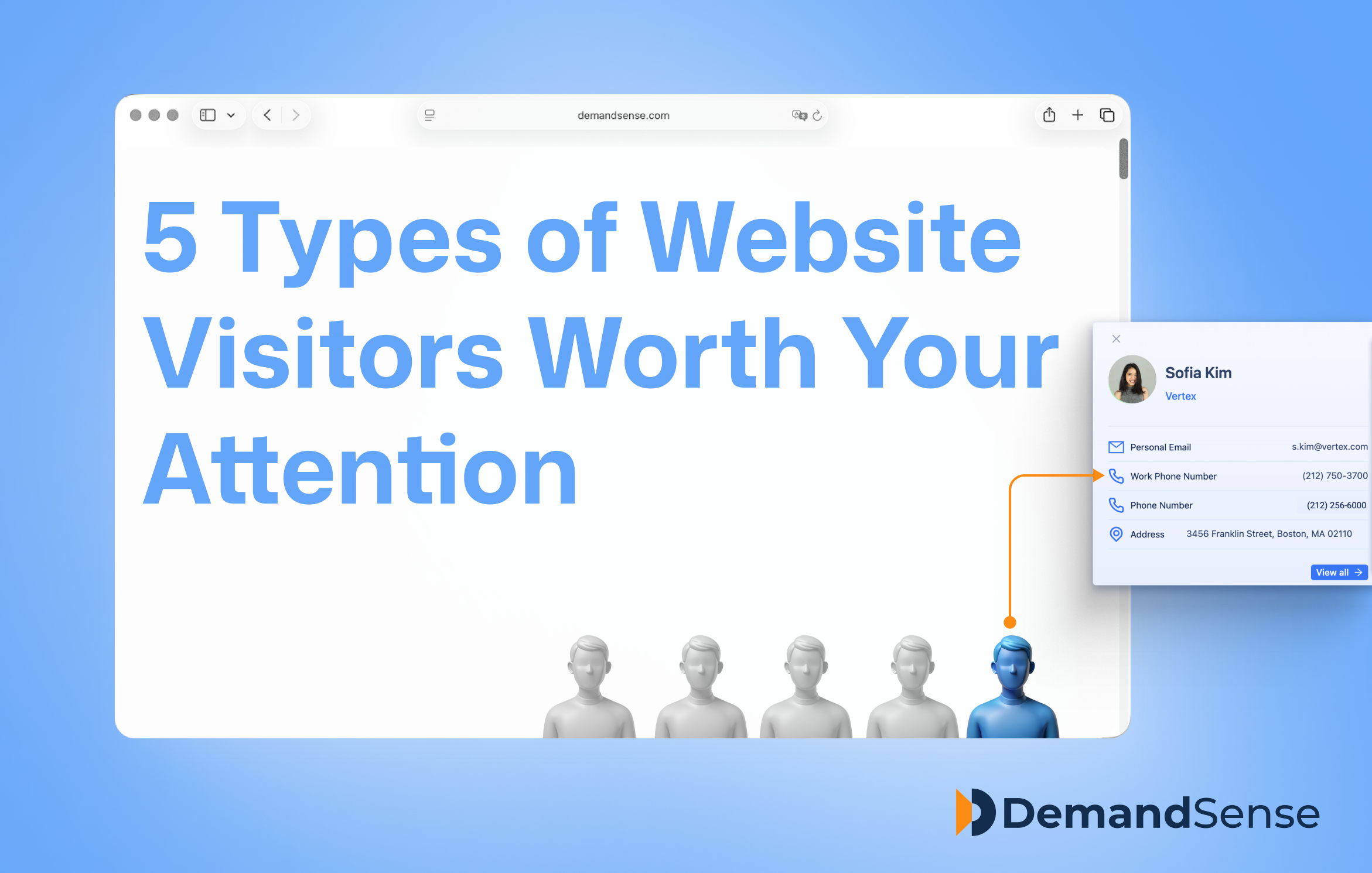
Right now, someone from your ideal customer profile is on your website.
They're browsing your pricing page, comparing your features, maybe even calculating ROI. And you have no idea who they are.
This is the reality for most B2B companies. Only 3% of website visitors fill out forms. The other 97% research, compare, and leave, remaining completely anonymous.
But here's what changes the game: even after you implement visitor identification, not all visitors are equal. Some are ready to buy. Some are just browsing. Some will never convert.
The difference between a high-performing B2B website and one that bleeds budget? Knowing which is which.
The Cost of Invisible Traffic
Most website analytics tools show you pageviews and session duration, but they can't tell you who's actually visiting. Without third-party identification technology, visitors remain anonymous unless they fill out a form.
The gap this creates is significant. You can't follow up with interested prospects. You can't retarget them with relevant messaging. Your sales team has no visibility into which accounts are actively researching your solution. And you can't connect website traffic to revenue outcomes.
What You Should Do
Website visitor identification technology closes this gap. Tools like DemandSense's Website Visitor Identification show exactly who's on your site, even if the visitors are anonymous.
You get company information (name, industry, size, location), individual profiles (names, job titles, seniority), and behavioral data (pages visited, time spent, return frequency).
But identification is just step one. The real question is: which of these identified visitors deserve your attention?
The 5 Types of Website Visitors Worth Your Attention
#1 The Buyer-Stage Visitor
Who they are:
Visitors who land on your pricing page, demo page, or comparison content. They're spending significant time on product pages. They've visited multiple times in a short window. They have high engagement scores and match your ICP.
Why they matter:
These visitors are actively evaluating solutions right now. Rather than browsing casually, they're building a business case, comparing vendors, getting ready to make a decision. The path to conversion is short.
How to nurture:
- Launch retargeting ads with demo offers on LinkedIn or Google
- Send decision-stage content like ROI calculators, customer stories, and security documentation
- Enable sales alerts so your team can prepare personalized outreach when appropriate
- Use multi-channel outreach (LinkedIn, email, phone) to create the impression you're everywhere
DemandSense's Prospector provides contact information across channels, making it easy to execute coordinated outreach that reaches prospects where they're most active.
#2 The Account Cluster
Who they are:
Multiple people from the same company visiting your site within days or weeks. You're seeing a VP of Sales, a Marketing Director, and a CFO all checking you out. Different job functions, all researching your solution.
Why they matter:
In B2B, buying decisions involve 6-10 stakeholders. When you see multiple visitors from one account, it signals organizational interest (and a hot opportunity).
How to nurture:
- Map the buying committee to identify who's involved and what each person cares about
- Execute multi-threaded outreach to reach multiple stakeholders, not just one contact
- Deploy account-based retargeting campaigns that speak to different roles
- Coordinate your messaging across the team to avoid duplication
#3 The Return Visitor
Who they are:
Someone who's visited your site 3+ times over several weeks or months. They started with blog content, moved to feature pages, and are now looking at case studies. Their time on site is increasing with each visit.
Why they matter:
They're building knowledge and moving through the consideration stage. They're not ready to buy today, but they're warmer than first-time visitors. They're actively evaluating whether your solution fits their needs.
How to nurture:
- Enroll them in a nurture sequence with educational content matched to their stage
- Retarget with case studies and customer stories that provide social proof
- Monitor their activity without immediate sales outreach (let them progress naturally)
According to our research analyzing 100+ B2B LinkedIn advertisers, multi-touch retargeting to engaged visitors drives 2.5x higher conversion rates than cold prospecting.
#4 The Content Consumer
Who they are:
Visitors reading your blog posts, downloading guides, consuming educational content. They're in early research mode. They fit your ICP, but they're not engaging with product pages yet. They're building awareness of the problem and potential solutions.
Why they matter:
These are future buyers. They're not ready now, but they're building a mental shortlist. If you nurture them well, you'll be top-of-mind when they enter the evaluation stage. If you ignore them, your competitors will capture that mindshare.
How to nurture:
- Build long-term nurture campaigns with educational, non-sales content
- Retarget with thought leadership and awareness-stage materials
- Avoid direct sales outreach to prevent coming on too strong too early
- Create a progressive content journey that slowly moves them toward product consideration
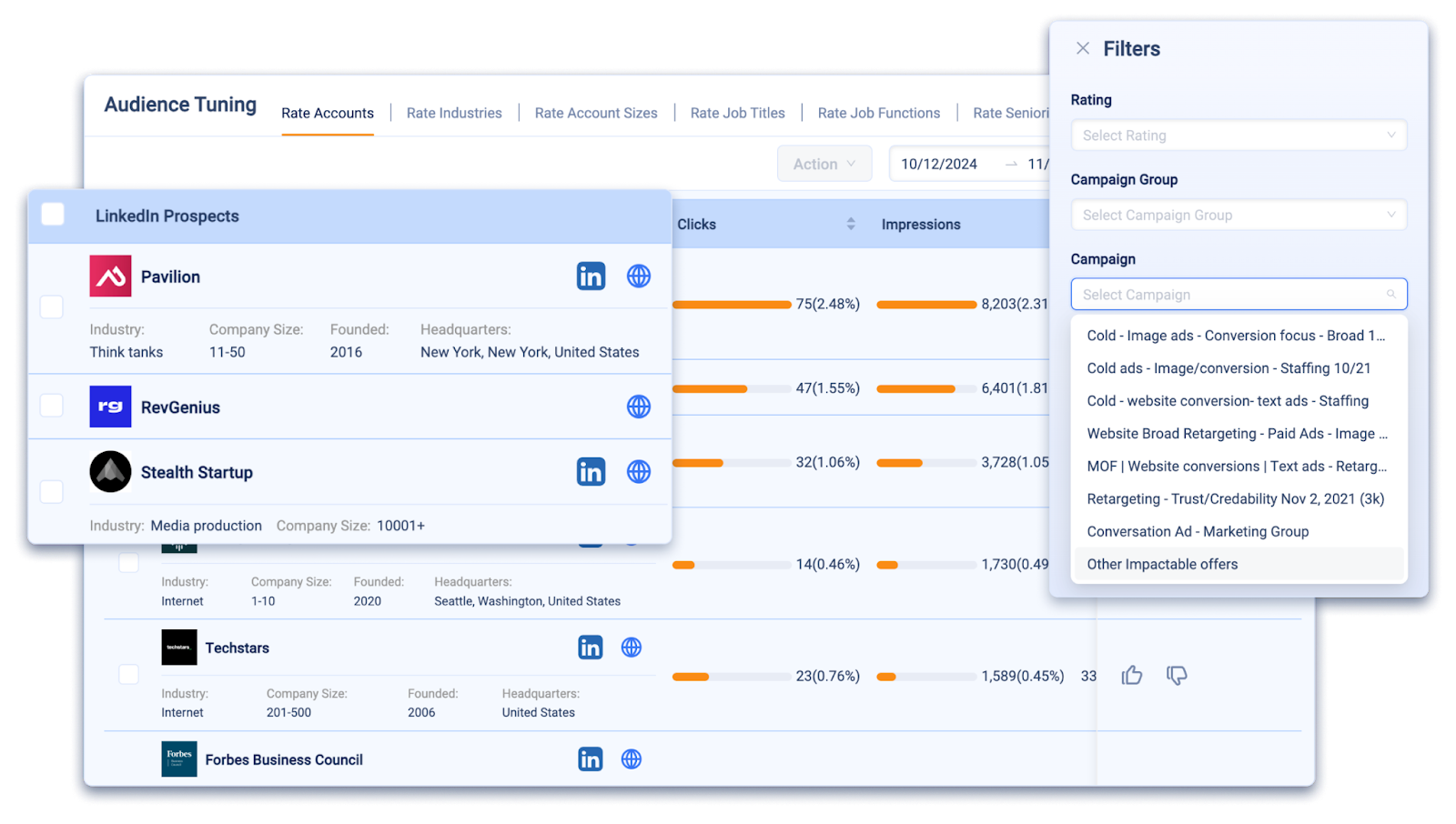
DemandSense's Audience Tuning helps you segment these early-stage visitors separately from high-intent prospects, so you don't waste sales time or come on too strong.
#5 The Disqualified Visitor
Who they are:
Job seekers browsing your careers page. Students researching for projects. Competitors checking out your positioning. Visitors from companies that are too small, in the wrong industry, or already your customers.
Why they matter:
They don't. But they're costing you money if you're not actively suppressing them. These visitors waste ad spend on retargeting, consume sales time on dead-end leads, and skew your analytics.
How to handle:
- Exclude them from all nurture tracks automatically
- Suppress them from retargeting audiences to stop wasting ad spend
- Turn off sales alerts and follow-up for these segments
- Focus resources on qualified visitors instead
Our data shows that 75% of B2B advertisers are paying over $6 per click on LinkedIn ads. If you're retargeting visitors who will never buy, you're compounding that waste.
Pro tip: Disqualified visitors often reveal a bigger problem - wrong audience settings in your ad campaigns.
When you start identifying visitors, you might discover that 60% of your LinkedIn traffic comes from companies under 100 employees when you only serve enterprise. Or your job title targeting is bringing individual contributors instead of decision-makers. Once you see the pattern, go back to the source and refine your targeting: tighten company size filters, adjust seniority settings, and exclude industries that don't convert.
DemandSense's Audience Tuning helps you spot these misalignments and optimize your LinkedIn targeting based on who's actually converting, so you stop paying for unqualified traffic before it hits your site.
How to Prioritize: The Visitor Type Framework
Here's how to prioritize each visitor type based on urgency and potential value:
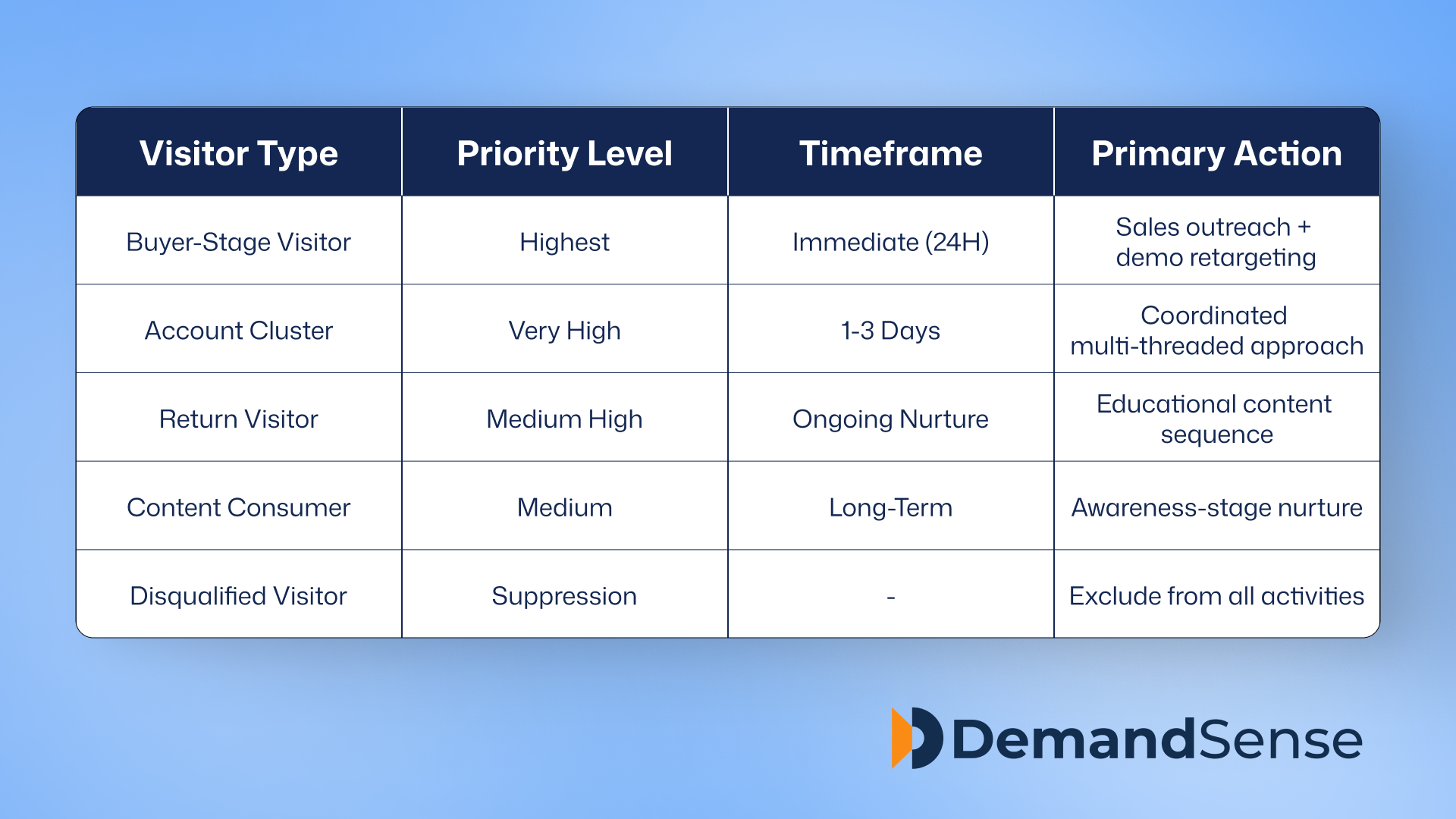
The key to making this framework work is having a systematic way to score and prioritize visitors automatically:
Lead scoring based on fit (how well they match your ICP) and engagement (their behavior on your site) helps you identify which visitors fall into each category without manual sorting.
Tools like DemandSense combine visitor identification with automated lead scoring to prioritize the visitors that matter most, so your team focuses energy on the right prospects.
From Identification to Action: What Are Your Next Steps?
Knowing these five visitor types is one thing. Acting on them is another.
Manual prioritization doesn't scale when you're identifying hundreds of visitors per month. You need automation that segments visitors based on fit and behavior, then routes them to the right nurture track.
For now, here's what matters:
Every identified visitor should get appropriate attention based on their type.
- Buyer-stage visitors get immediate sales outreach.
- Account clusters get coordinated approaches.
- Return visitors get nurtured.
- Content consumers get long-term education.
- Disqualified visitors get removed from your sequences.
The result? Your sales team focuses on hot leads. Your ad budget targets the right people. Your nurture programs reach the right audience. And you stop wasting resources on visitors who'll never convert.
The next steps we’d choose?
- Set up automated lists based on simple rules (like "visited pricing + fits ICP = high-intent list").
- Define the criteria once, and visitors sort themselves into the right nurture track automatically.
DemandSense does all of this for you, by the way. Stick around for future articles with detailed walkthroughs, or get in touch to learn more about how visitor identification can help you prioritize the traffic that matters.

![How to Use LinkedIn Sales Navigator Search Filters Like a Pro [2026 Guide]](https://cdn.prod.website-files.com/67160f781eeef22eaf34d58e/69ce69e4309170b938673cf6_LinkedIn%20Sales%20Navigator%20-%20Thumbnail.png)