••
Insights& Resources
Expert strategies, case studies, and best practices for B2B marketing teams.
Expert strategies, case studies, and best practices for B2B marketing teams.
Want to know exactly why your LinkedIn ads win or lose?
Enter your URL
Revenue Attribution & Measurement
Most B2B buying decisions are made before a prospect fills out a form. They visit websites. They read content. They compare solutions. They do all of this anonymously without ever entering your CRM.
Analytics tools capture this anonymous traffic. But traffic alone does not tell you which accounts are looking to buy. An increase in website traffic could mean anything: a casual browser researching industry trends or a serious buyer comparing solutions.
Intent tracking solves this problem.
It connects anonymous activity to specific individuals or companies. It uncovers which accounts are actively researching, what they care about, and how close they are to making a purchase.
For B2B marketers, demand generation teams, RevOps leaders, and ABM practitioners, revealing anonymous website visitors is often the earliest indicator of intent. When someone visits your pricing page, downloads content, and returns with colleagues, you see an intent pattern forming in real-time. This pattern allows you to prioritize accounts based on readiness.
This article explains how buyer intent tracking works and how you can use it to target accounts that matter.
Buyer intent refers to a prospect’s likelihood of making a purchase.
In a B2B context, intent is not the same as engagement. Not everyone who engages with your website is actively looking to buy. They could be a student researching the industry, a competitor benchmarking their solutions against yours, or a marketer scouting for best practices.
Intent signals accumulate over time. They reveal a pattern of behaviour that suggests a prospect is actively evaluating their purchasing options.
This is why account-level intent matters more than individual actions.
When multiple stakeholders from the same account engage with your website, it suggests a growing, active interest in making a purchase.
With account-level intent tracking, you can see buyer momentum build in real-time, long before anyone fills out a contact form. Timely outreach and campaign efforts can be directed toward high-intent accounts to increase conversions.
First-party intent data is collected from your own digital channels. When someone visits your website, you can see what pages they browsed and in what order. You can track their activity on pricing, demo, and competitor pages. You know which content assets they bookmarked, shared, downloaded, or came back to.
Website visitor identification platforms use reverse IP lookup to match this anonymous traffic to specific companies. A visitor becomes a known account. A single page view becomes part of a pattern. You can identify repeat visitors from the same company. This turns raw website behavior into intent signals that you can actually use.
Second-party intent data is someone else’s first-party data shared directly with you. It typically comes from trusted partners, co-marketing initiatives, or joint webinar hosts. It allows visibility into how a shared audience engages with the content you created together.
Because you know the partner and the nature of the relationship, you understand why that audience might be relevant. You see behavior within a known framework. The limitation is scale. Second-party intent data is restricted to the scope of that specific partnership. It provides depth within a narrow corridor, not breadth across the market.
Third-party intent data captures research activity across the internet. This includes search queries on public engines, content consumption on publisher networks, and topic engagement across forums or news sites. It tracks the research activity of companies before they visit your website.
The strength of third-party data is timing and scale. You can identify accounts that are actively researching months before they reach out. You see interest forming across thousands of sources.
What it lacks is context. You might know the general topic areas a company is researching. But research does not indicate readiness. It doesn’t separate serious buyers from casual browsers.
Intent signals come in many forms, but not all carry the same weight.
Depending on their requirements, B2B teams most commonly track the following intent signals:
First-party intent signals from your website, ads, and CRM provide direct, contextual proof of sustained engagement. They are a more accurate measurement of buyer momentum and readiness.
Most platforms collect intent signals from first-party data sources. Every interaction a prospect has with your website, ad, or CRM generates a signal. These signals live in different places, but together they form the raw data needed for intent tracking. The goal is to collect them in a single place so you can see the full picture.
Most intent signals start anonymous. Someone visits your website. You see they spent time on your pricing page. But you do not know who they are or where they work.
Through reverse IP lookup, intent tracking platforms match anonymous visitors to specific companies. They also reveal firmographic data like company size, industry, and location.
Intent patterns reveal buyer momentum. Platforms analyze intent signals over time to separate casual browsers from serious buyers. They track which pages were visited, how much time was spent on each page, and the date of those visits. This shows whether an account is moving from early research toward active evaluation.
Platforms use intent patterns to measure buyer readiness. A dual-scoring mechanism, for example, ranks accounts based on fit (how well they align with your ICP) and engagement (how they interact with your digital channels). This helps prioritize outreach and campaign efforts for accounts most likely to convert.
The final step is using intent signals to influence action. Marketing can use these insights to deliver campaigns and content assets that cater to high-intent accounts. Sales can prioritize accounts, tailor messaging, and time their outreach. RevOps can adjust spend toward channels and programs that drive pipeline velocity.
Most teams find out about a prospective deal through form-fills. By then, the buyer has spent weeks conducting their own research. They have already formed opinions and preferences.
Intent signals surface in-market accounts at the very beginning of their purchasing journey. You can engage with them earlier to influence their evaluation criteria and introduce your product before competitors lock in.
Without account-level intent tracking, teams work through prospect lists based on ICP alignment alone. Outreach is not based on momentum and readiness. This results in ill-timed messaging and low response rates.
Intent signals tell you which accounts to prioritize, when to reach out, and what to say. Time and effort is spent where momentum already exists. A company with multi-stakeholder visits in the last week gets attention before a company with one stakeholder downloading a content asset every three months.
Without intent tracking, outreach and campaign efforts focus on creating awareness. You are addressing pain points, justifying why a prospect should care, and positioning your product as a solution.
For in-market accounts, this messaging rarely works. They know what they are looking for and have already researched solutions. They are comparing product options, not learning about them for the first time. What matters to them at this stage is value and differentiation.
Intent signals allow you to adapt your messaging based on where the target accounts are in their buying journey. Conversion rates increase because you are not trying to create interest. You are acting on interest that already exists.
Account-based marketing only works if you know which accounts to go after. Marketers often target accounts based on ICP alignment that looks good on paper, hoping that some of them are ready to buy. They conduct outreach and run campaigns that yield little to no response.
Intent signals help you prioritize accounts that are actively behaving like a buyer right now. You take the same ABM programs and direct them at accounts already showing momentum.
In the absence of intent data, attribution starts at the first known touch — a form fill, a demo request, a reply to an email. Everything before that is invisible, which makes it difficult to understand which programs and channels actually influence buying behaviour.
Intent tracking connects early-stage activity to downstream pipeline. You can see when an account first started researching, which pages they explored, and what contributed to their engagement. This visibility enables better investment decisions and more accurate measurement of performance.
Most B2B companies still score leads the way they always have. A prospect fills out a form. They receive points for their job title, company size, and industry. They get more points for downloading a content asset or attending a webinar. When they cross a threshold, they get passed to sales.
This approach worked when form fills were the primary way prospects showed interest. But buying behavior has changed. Buyers now conduct most of their research anonymously. They visit websites, read content, and compare solutions without ever filling out a form. Traditional lead scoring does not account for this behaviour. Intent tracking does.
Traditional scoring focuses on individual leads. A single person accumulates points based on their actions. If that person goes silent, the score stagnates. If they change jobs, the history resets.
B2B buying decisions are made by groups, not individuals. One person researching could be casual curiosity. But when six stakeholders from the same company engage with your website, that’s a pattern. Buyer intent tracking captures this pattern across an entire account, providing a more accurate assessment of readiness.
Static rules are the backbone of traditional lead scoring. A content download equals ten points. A pricing page visit equals twenty points. When a lead reaches a hundred points, they are routed to sales. These rules are set at the start of a quarter and rarely change, even as buying behaviour evolves.
Intent tracking looks for patterns. It considers not just what pages were viewed, but in what order, by how many people, and over what timeframe. A pricing page visit from a director carries more weight when followed by a case study read from an engineer the next day. Buyer readiness scores adjust in real time based on behaviour.
Buyer intent data is only valuable when it changes how teams operate. Here’s how different functions put it to work — the goal is consistent across all of them: act on intent signals before competitors do.
Marketing uses intent data to validate ICP fit, since it shows which accounts are actively researching solutions like yours. When those accounts consistently fall outside your assumed ICP, it’s worth revisiting who you should actually be targeting. Beyond targeting, intent data reveals which campaigns and channels drive continuous engagement and helps content teams build assets around what in-market accounts are actually searching for — rather than internal assumptions.
Sales uses intent data to prioritize outreach toward accounts that show readiness and momentum, time conversations more effectively (outreach that lands too early gets ignored; too late and you’re competing with vendors already in conversation), and personalize messaging based on what an account has actually engaged with. If they spent time on product comparisons, lead with differentiation. If they focused on case studies, lead with proof.
RevOps and leadership use intent data to improve pipeline visibility beyond form-fills, connecting upstream website visitor analytics to downstream outcomes. This helps eliminate false positives early, flag stagnant opportunities, and prevent cross-functional blind spots. It also improves attribution and forecasting by connecting early research activity to pipeline creation — so you know which channels and programs actually influence deals.
DemandSense was created to uncover “hidden” conversion opportunities for growth-minded B2B teams. By identifying anonymous visitors and tracking intent signals across multiple channels, the platform helps you focus outreach on in-market prospects.
Buyer intent tracking monitors prospect behaviour, actions, and engagement patterns to identify high-readiness accounts and score them based on purchase likelihood. It allows B2B sales and marketing teams to optimize outreach and campaign efforts for increased pipeline velocity and reduced ad spend.
Every business has different needs. However, first-party intent signals outperform second- and third-party signals in terms of reliability, as they rely on your own digital assets to measure buyer readiness.
Website visitor identification matches anonymous visitor IP addresses to specific companies. By tracking the engagement patterns of multiple stakeholders from the same company, you can assess account-level readiness, prioritize outreach efforts, and personalize messaging for faster conversions.
Accuracy varies by source. First-party buyer intent signals are significantly more accurate at predicting conversion behaviour than second- or third-party alternatives.
Intent tracking platforms help sales teams identify and prioritize accounts most likely to convert. They also surface real-time updates when target accounts reach peak engagement — enabling timely outreach and personalized messaging.
Get expert insights and strategies delivered to your inbox weekly.
Book a personalized demo and discover how we can transform your B2B marketing.
See a quick demo video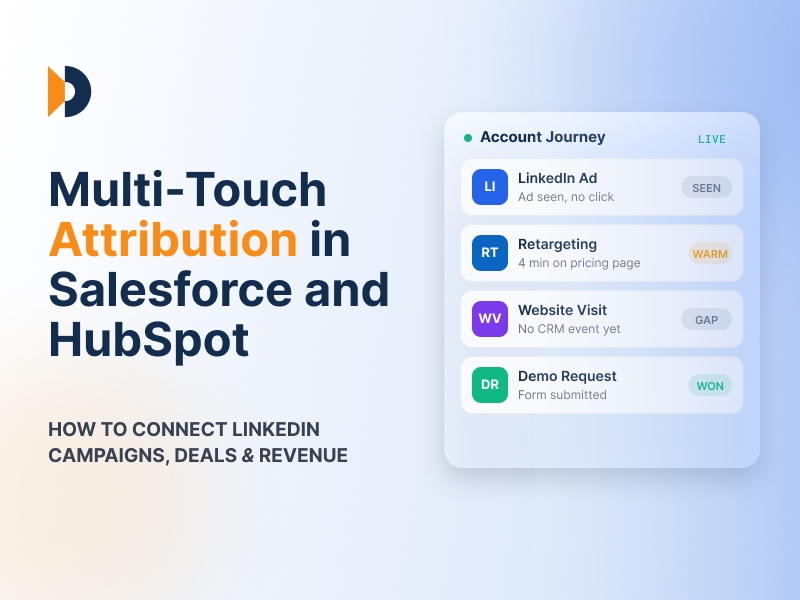
Revenue Attribution & Measurement
Learn how multi-touch attribution works in Salesforce and HubSpot, how to connect LinkedIn Ads campaigns to deals and revenue, and how DemandSense shows influenced pipeline.
LinkedIn Ads
Revenue Attribution & Measurement
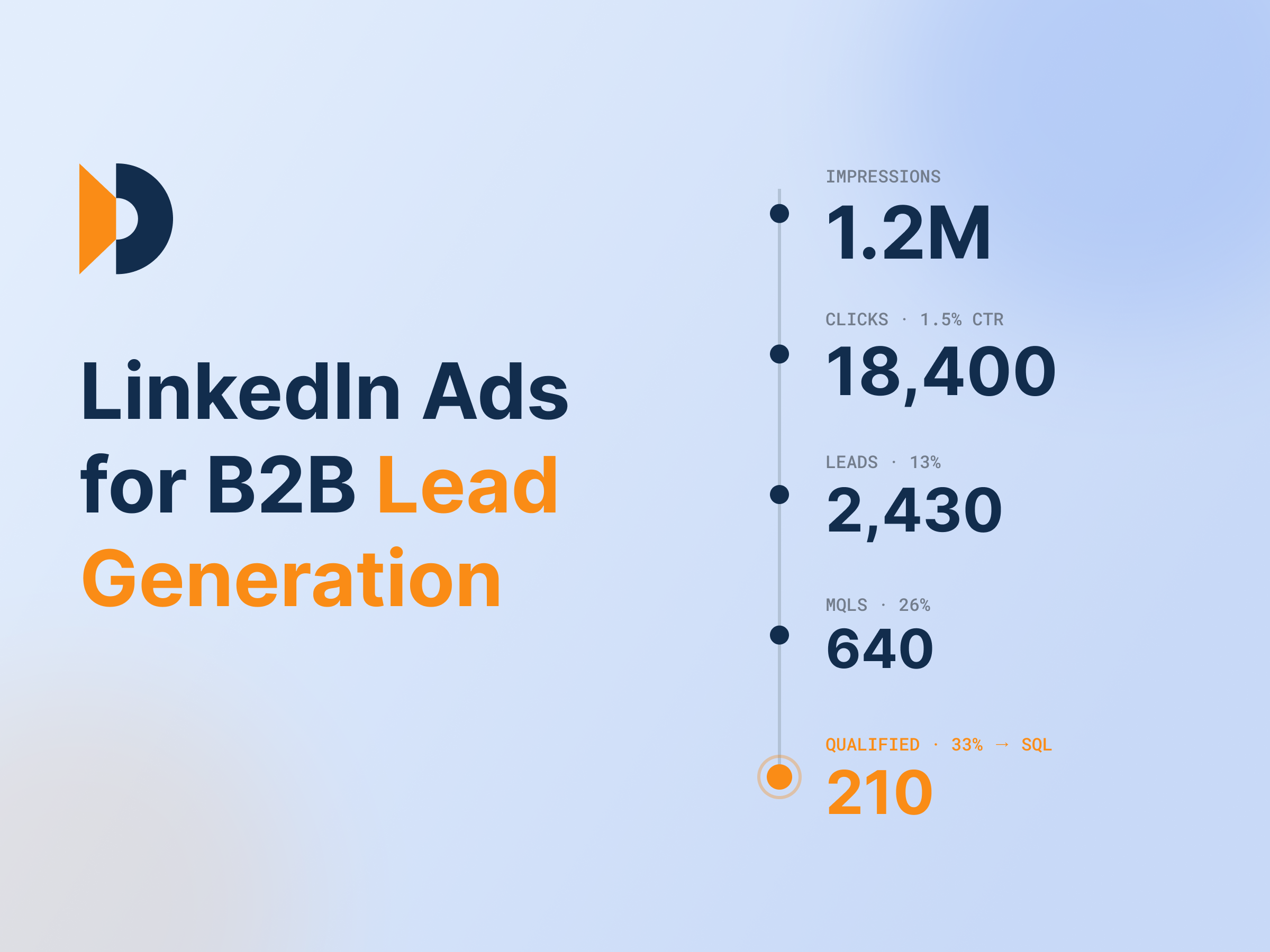
A practical guide to LinkedIn B2B lead generation: funnel strategy, ad formats, targeting, and the metrics that actually tie ads to revenue.
featured
Revenue Attribution & Measurement
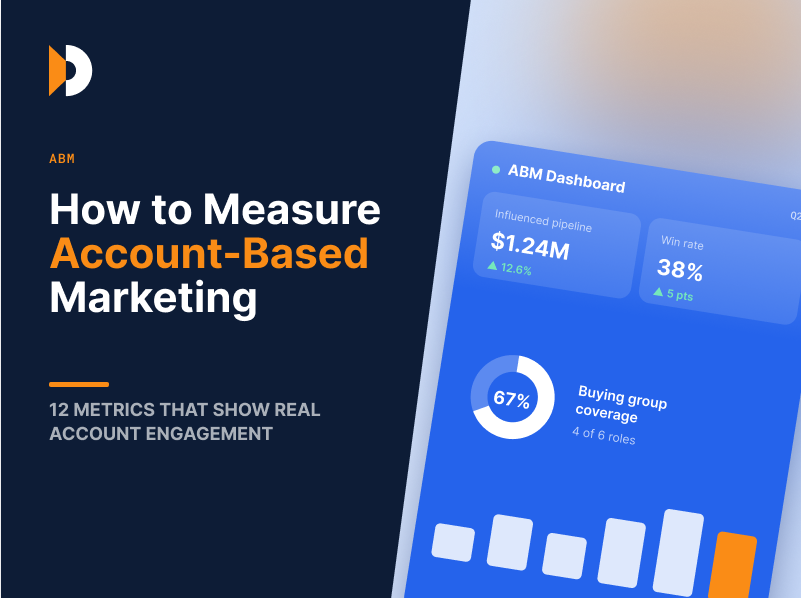
Learn how to measure account-based marketing using 12 ABM metrics that show real account engagement, pipeline influence, revenue impact, and ROI.